
 Australian Dollar
What is LED Anyway? (LED Lighting Basics for Your Home)
Posted by RG Sayson on 28 Jan 2021
LED lights are commonly found in our homes, offices, restaurants, hotels, and even in public places. The shift to LED lighting has been happening for good reasons and the experts agree:
|
According to the Department of Industry, Science, Energy and Resources, much of public lighting have also already been upgraded to LED in many cities and towns in Australia. Frankly, who wouldn’t go for energy efficiency, light brightness, safety, energy savings, and other benefits of LED lights? As more homeowners and renovators continue to install LED lighting in homes across the world, let’s explore what LED lights are all about.
What is LED? How Does LED Produce Light?
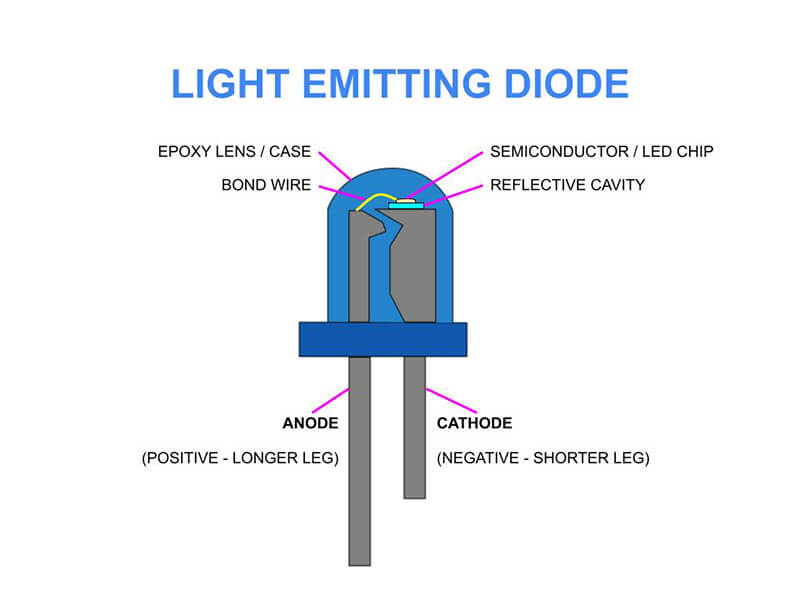
(Diagram created from an image featured on Needpix.com and is used under the Creative Commons Zero License for Public Domain)
A light emitting diode or LED is a device that radiates light when an electrical current passes through it. Diodes are made from semi-conductive materials like silicon and selenium that conduct electricity, and LEDs are semiconductor components (like transistors or integrated circuits). A LED has two electrodes called anode and cathode, and visible light radiates when electricity flows in through the anode and out through the cathode.
Who Invented LED Lights?
The first LEDs with practical use were invented in 1962 by Nick Holonyak, Jr. (“Father of the Light-Emitting Diode”) when he was working for General Electric. However, electroluminescence (the concept behind LED) was observed by Henry Joseph Round back in 1907. After extensive research since Holonyak, scientists were able to produce ultra-bright orange-red, orange, green, and yellow LEDs. Then in 1994, materials scientist Shuji Nakamura came up with ultra-bright blue LEDs which would eventually lead to LED lighting as we know it today. (You can read A Brief History of LED Lighting for details.)
Residential LED Lighting Applications

Image by Tan Danh on Pexels
LEDs’ practical applications are diverse and a variety of LED lighting products and fixtures are widely sold today. Some of these applications are as follows:
|
In Australian homes, we commonly use LED globes, downlights, floodlights, strip lights, garden lights, and decorative lights.
LED Globes
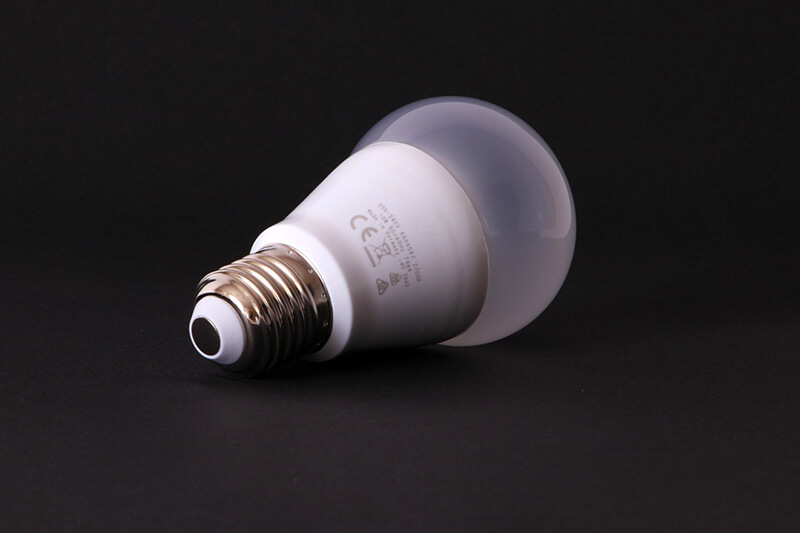
Image from Neepix.com is used under the Creative Commons Zero License for Public Domain
LED globes are the perfect replacement for traditional light bulbs like compact fluorescent lamps (CFL), which for a while was the alternative to incandescent bulbs. LED globes that are sold in stores fit the same standard lighting fixtures as CFLs and incandescent light bulbs and are more energy-efficient. You can use LED globes if you want to easily replace your home lighting.
LED Downlights
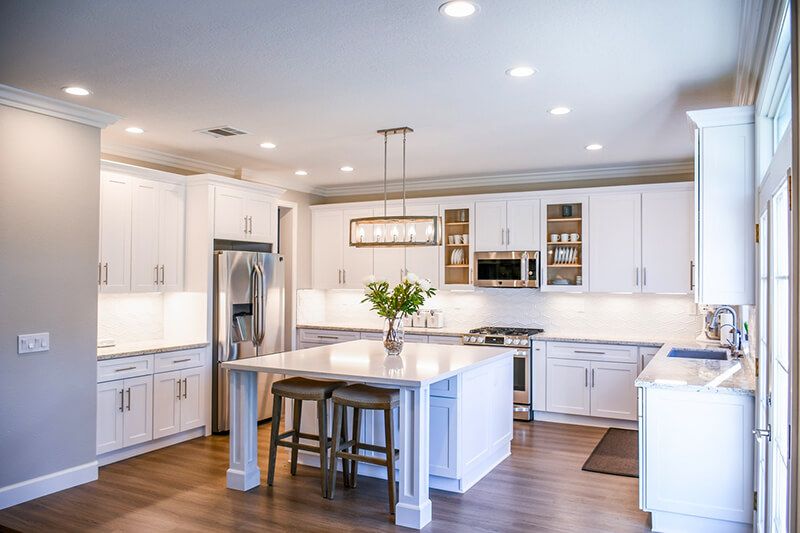
Image by Mark McCammon on Pexels
LED downlights are usually installed in bedrooms, living rooms, dining rooms, kitchens, hallways, and pretty much everywhere in the house. Because ceiling downlights are recessed, they blend in with the ceiling and do not extrude like traditional overhead lighting fixtures.
LED downlights can be placed evenly across your ceiling so that light is distributed around the room as needed. Warm white downlights are good for living areas, while cool white downlights can be installed for task lighting. (The popular article LED Lights: What is the difference between Warm White and Cool White? can help you decide what to use in which part of the house.) LED downlights can also be dimmable, so you can adjust the brightness depending on the moment’s need.
Downlights can fit standard 90mm or 70mm ceiling hole sizes, and come in frame colours - more common are white, silver, and black as they suit various settings and interior designs. Premium LED down lights have chipsets on board (COB), giving higher quality light and colour reproduction. LED lights generally produce less heat than other types of lighting, and you can choose ones with larger heatsinks to further dissipate heat and keep the LED chip cool.
Outdoor LED Lighting
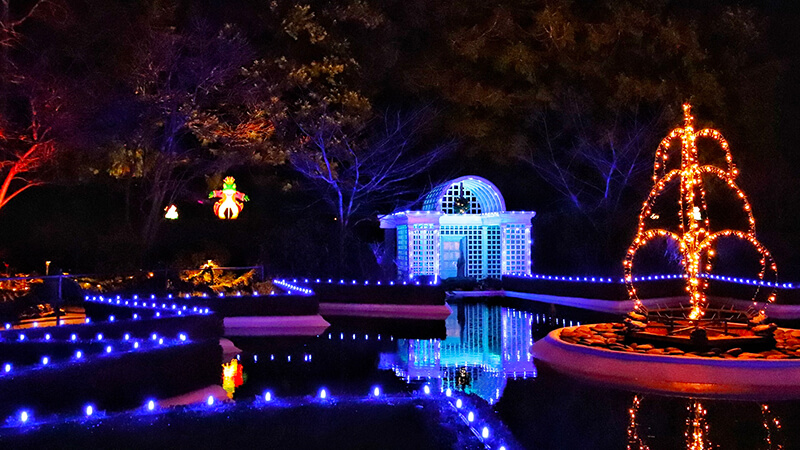
Image by Mario Mendez on Unsplash
LED lights can be installed outside your house, on ceilings, walls, pathways, and obscure spots. Proper outdoor lighting can add vibrance to your garden, deck, patio, or pool and bring out the beauty of your landscape and outdoor areas in the evenings.
Outdoor lights also increase visibility and brighten the areas around your house, so some homeowners install LED floodlights for safety and security against prowlers.
Being exposed to various weather conditions, outdoor LED lights are usually designed to withstand the elements and should be waterproof and dustproof. Marine-grade stainless steel LED lights are thus better suited for the outdoors.
Decorative LED Lights

Image by Patrick Robert Doyle on Unsplash
Aside from illuminating your home, lighting also plays a major role in home interior decorating. Australia's renovation royalty Naomi Findlay calls it “the transformative effect of good lighting”. As decorative lights, LED can instantly infuse drama in a room and impact the mood in subtle but powerful ways.
Decorative LED lights include vintage lights, chandeliers, fairy lights, LED strips, pendant lights, and Christmas lights.
Vintage lights can give you that period look if you’re doing retro style in your home. They look just like the classic light bulbs of rustic days past but with all the benefits of LED technology.
LED strip lights can be installed to highlight focal point outlines, provide ambient illumination (for staircases or in bedrooms, for example), or be used as task lighting when installed over a home office or under kitchen cabinets.
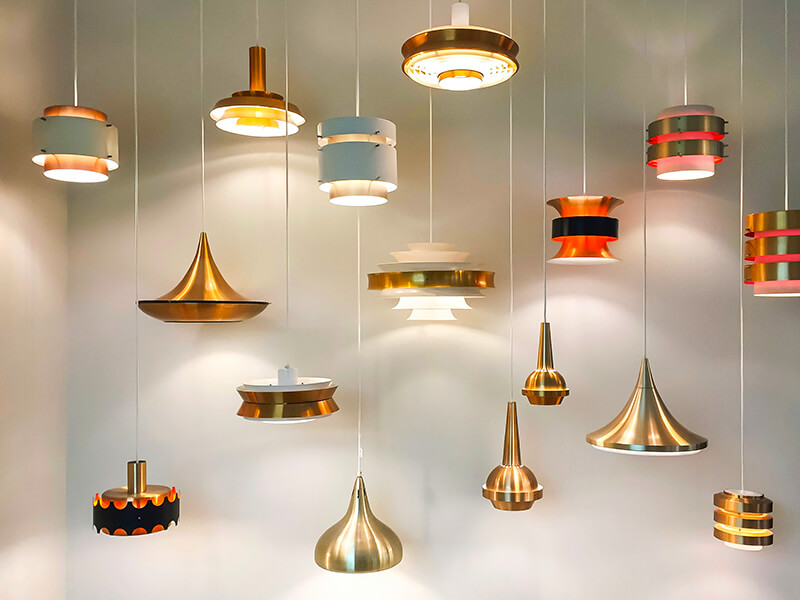
Image by Etienne Girardet on Unsplash
LED pendant lights are great for task lighting as well as for decorating as they come in all styles, shapes, and sizes. A pendant light is mounted on the ceiling and is suspended with a rod or a chain - just like a pendant on a necklace. You can hang them almost anywhere, adjust how low or how high you want them, and can act as a task light. You can hang LED pendant lighting above your dining table, on your kitchen counter, in the hallway, over room corners - wherever it would enhance the area.
Why Led Lights Are Better: Benefits of LED Lights
There are a host of advantages to using LED over halogen, incandescent, CFL, or other lighting types, including the following:
|
What LED Lights Should I Get? What to Look for When Buying LED Lighting
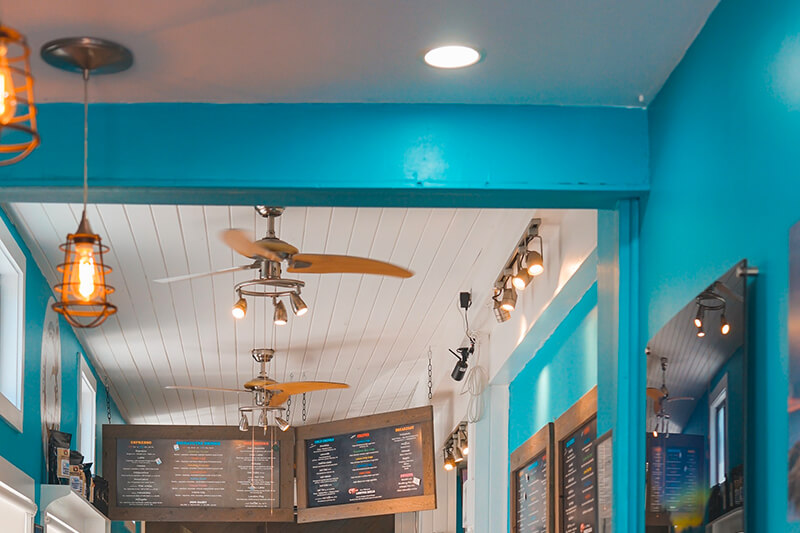
Image by Toa Heftiba on Unsplash
Now that you’ve learned about LED lights and how they can add value to your home, you want to upgrade and replace your old light bulbs or maybe install LED lighting in your new home or renovation. What then should you look for when buying LED lights? Here are a few tips:
|
If you need more help, you can head over to the Renovator Store website and chat right now with the friendly customer service team (on the lower right of your screen). You can also shop for lighting fixtures that are on sale.
(Featured image at the top is from Needpix.com and is used under the Creative Commons Zero License for Public Domain)